
.svg)

The calendar is full of reminders to say thank you, but there’s a big difference between the organizations that treat these moments as check-the-box events versus those that treat them as opportunities to reinforce culture. Because appreciation isn’t about the date. It’s about the intention behind it.
Teams are stretched. Healthcare professionals are navigating nonstop demands. Remote employees are balancing blurred boundaries between work and home. Loyalty and longevity don’t happen by accident — they’re built when people feel seen and appreciated.
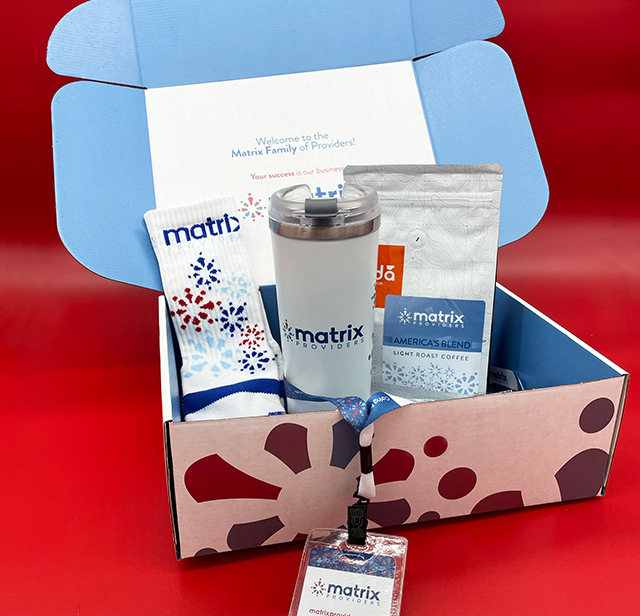
Recognition doesn’t have to be elaborate, but it should be thoughtful. A quick lunch, a generic gift card, or a bulk order of something with a logo on it can technically check the box. But people can tell when appreciation is rushed. Thoughtful recognition looks different. It’s useful. It’s well-designed. It feels considered.

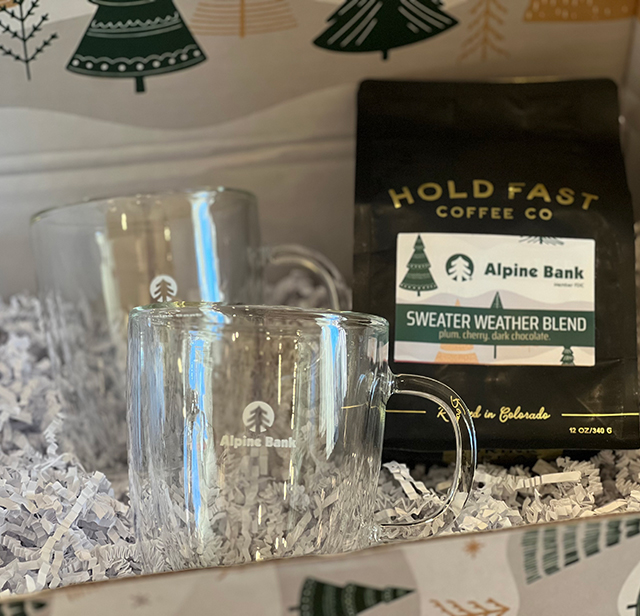
It might be a t-shirt or jacket your team actually wants to wear — something that sparks pride in being part of something bigger. It could be a curated kit that supports someone’s day-to-day work, or even a fun and unexpected experience that gives them space to step away and recharge.
When appreciation programs are chosen intentionally and presented well, they stop being a check on your to-do list. They become signals. Signals that say: we see you, we value your work, and we’re grateful for your loyalty.
The strongest recognition programs are timely and specific. They’re tied to company values and woven into the culture, not reserved for a single week each year. Research consistently shows that employees who feel recognized are more engaged, more connected to their teams, and significantly less likely to leave. Especially in industries where burnout is real and loyalty is earned, small moments of thoughtful recognition can have a lasting impact.
Well-designed appreciation programs reinforce culture, build belonging, strengthen morale, and extend your brand internally. When people feel proud of where they work, they show up differently. That’s not a seasonal tactic. It’s a long-term advantage.
So yes, use appreciation holidays as a catalyst. But don’t treat them like a checkbox.
Start with intention. Think through what you actually want to convey and tie it back to your values. Make it feel personal, because it is. And present it thoughtfully.
Presentation matters. It’s often the first thing people notice and the easiest piece to overlook. That extra layer of care — the packaging, the message, the delivery — goes a long way with the recipient. This doesn’t mean it has to be overly complicated or costly. Something as simple as a thoughtfully designed note card or fun bubble mailer elevates the whole experience.
Because appreciation isn’t about the item. It’s about the message behind it. When people feel seen, respected, and valued, they carry that with them — into their work, into their teams, and into how they represent your brand.
That’s the kind of impact that doesn’t fade when the week is over.