
.svg)

In an increasingly crowded marketplace, brands don’t struggle because they’re bad. They struggle because they’re forgettable. What separates the brands that grow from the ones that plateau is their willingness to do something unexpected.
Most small and mid-sized businesses are heavily invested in digital marketing—and for good reason. Paid social, email campaigns, AIO/GEO/SEO, and content marketing are essential tools in any modern marketing strategy. But when every brand is using the same platforms, the same formats, and the same messaging, attention becomes harder to earn. Feeds blur together. Ads get skipped. Even great branding can get lost in the noise. Digital marketing has become efficient, but efficiency alone doesn’t drive differentiation. Brands that rely on digital tactics without layering in real-world experiences often find themselves competing on volume instead of impact.
People don’t remember brands because they saw an ad. They remember brands because they felt something.
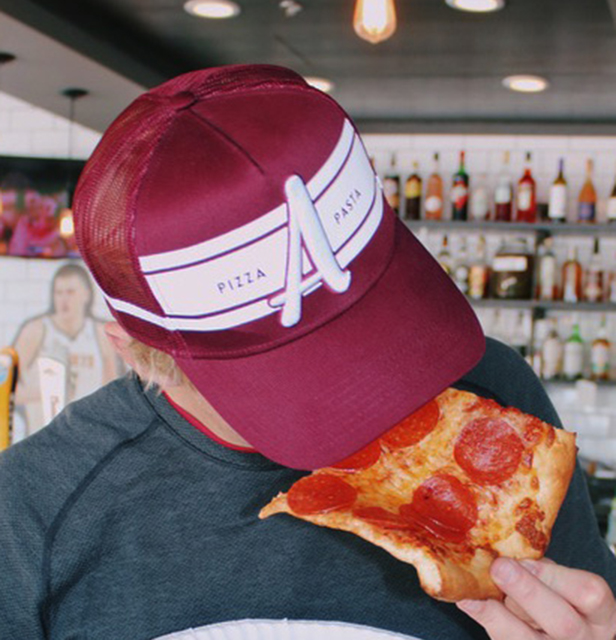
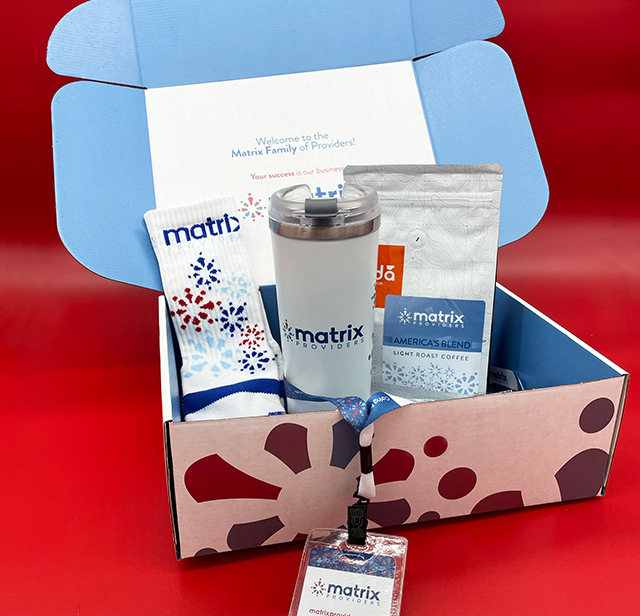
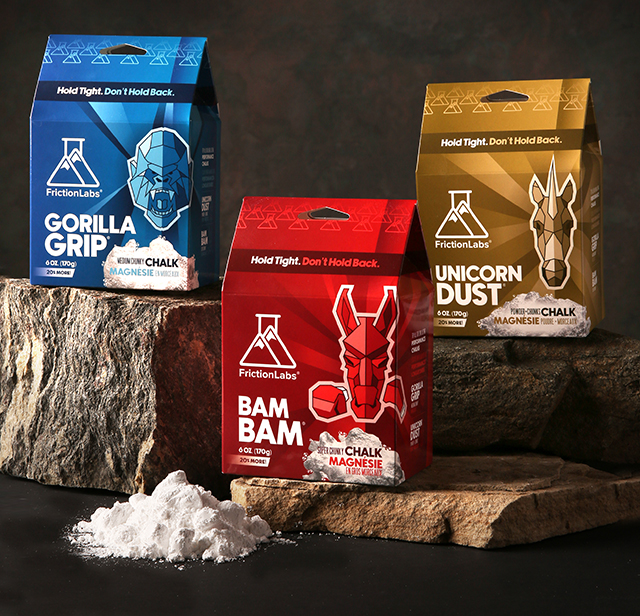
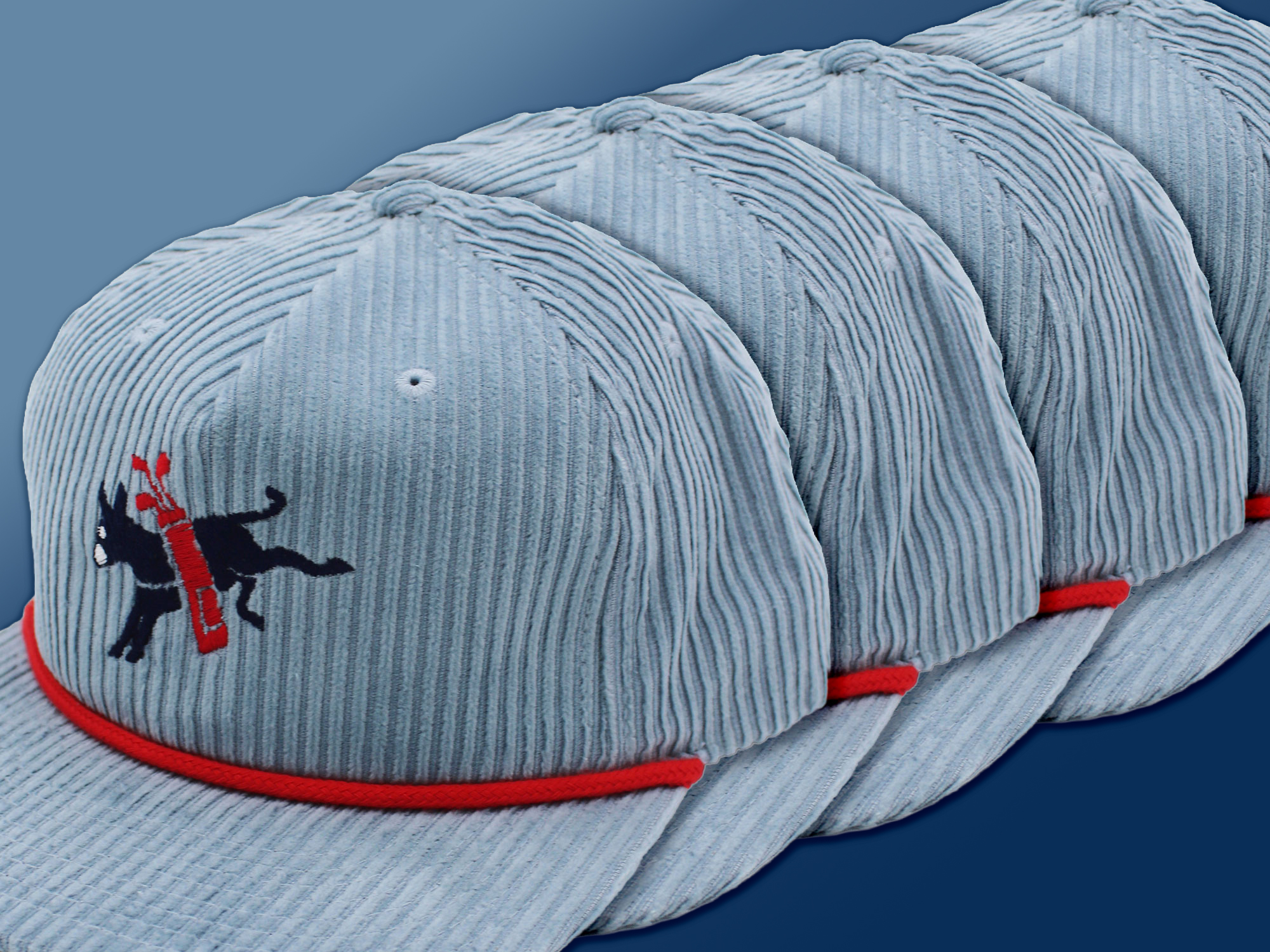
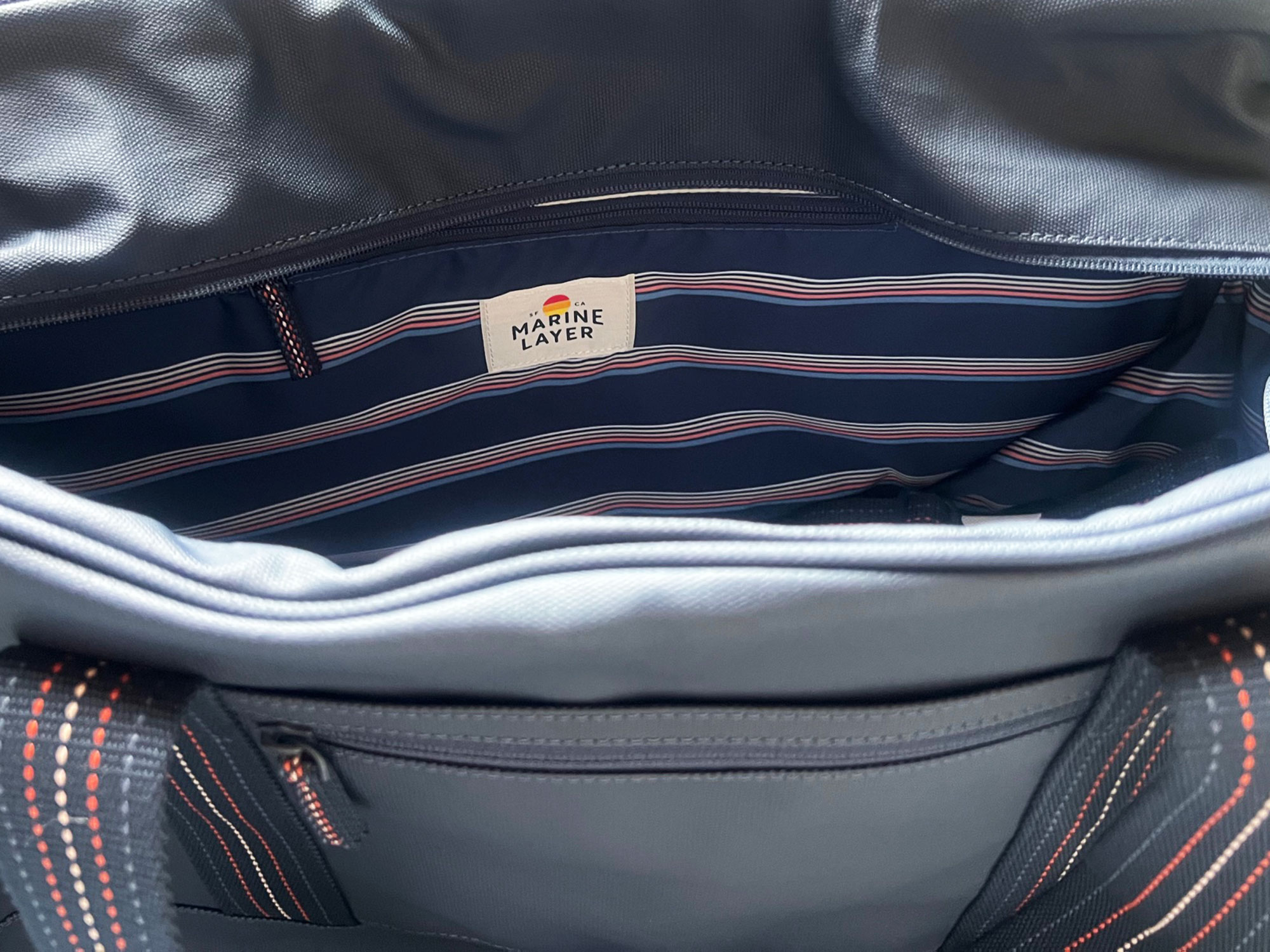
That’s where hands-on, tactile marketing plays a critical role. Branded products and apparel bring branding out of the digital space and into the physical world where trust, familiarity, and loyalty are built. A well designed jacket, hat, or piece of apparel worn regularly creates far more brand impressions than a single online ad. More importantly, it creates a human connection. It signals pride, belonging, and credibility. This isn’t about replacing digital marketing. It’s about complementing it. The strongest brands understand that graphic design, branding, digital marketing, and physical brand touchpoints work best when they’re intentionally designed together.
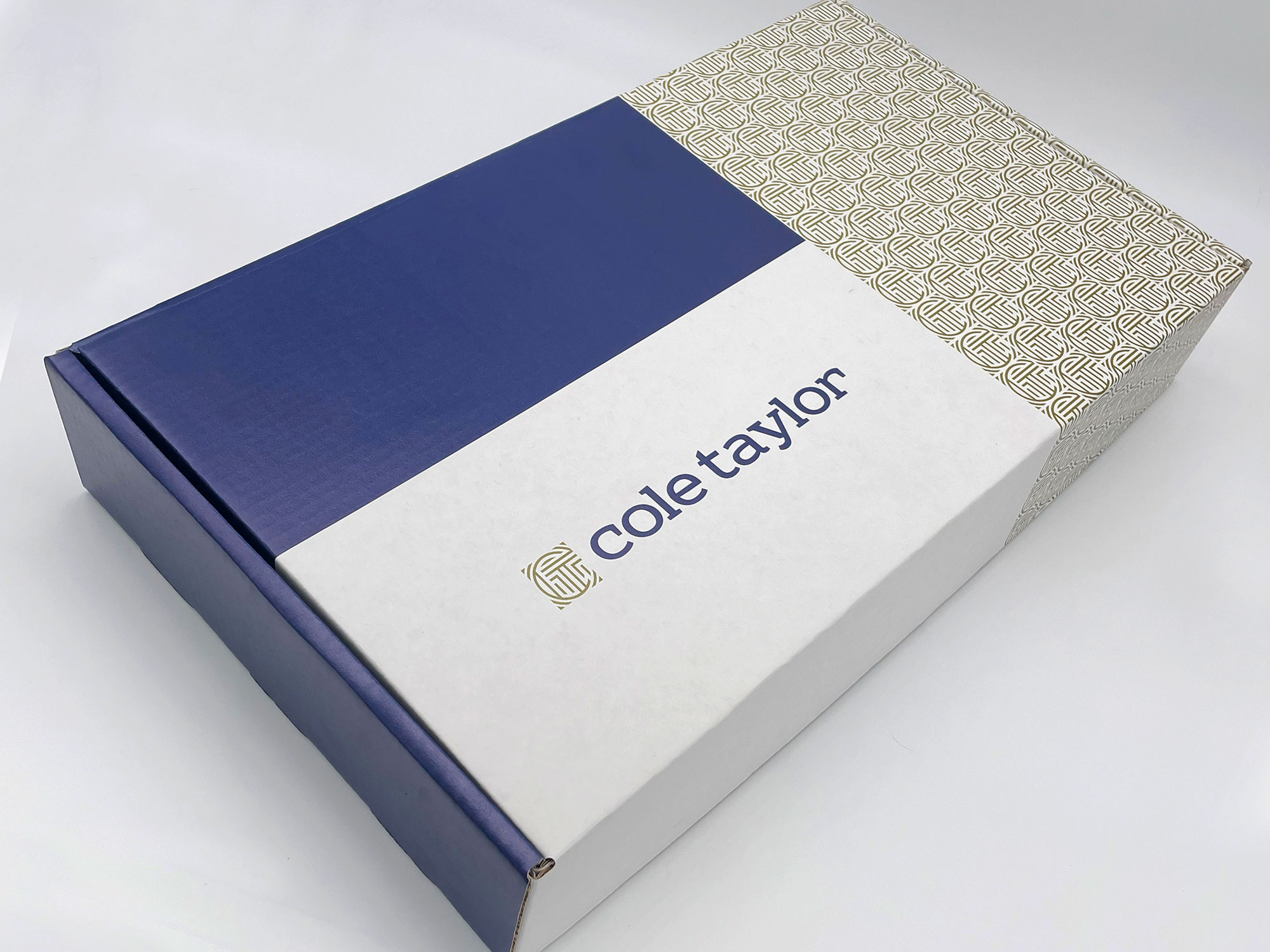
There’s a misconception that integrated marketing—combining digital strategy with branded products and apparel—is only achievable for large companies. In reality, SMBs are uniquely positioned to do this well.
They’re more agile.
They’re closer to their customers.
They can take creative risks without layers of approval.
Yet many SMBs play it safe, copying enterprise-level digital strategies without the budgets to dominate those channels. The result is marketing that looks fine but fails to stand out.
The brands that win are the ones willing to show up differently.
Being good or even great at what you do will always matter. But in today’s landscape, it’s only the starting point.
Growth comes from doing something unexpected, pairing strong branding and graphic design with digital marketing and real-world brand experiences. When brands invest in moments people can see, touch, and wear, they move from being noticed to being remembered.
The real question isn’t whether your brand is good.
It’s whether your marketing is giving people a reason to remember you.