
.svg)
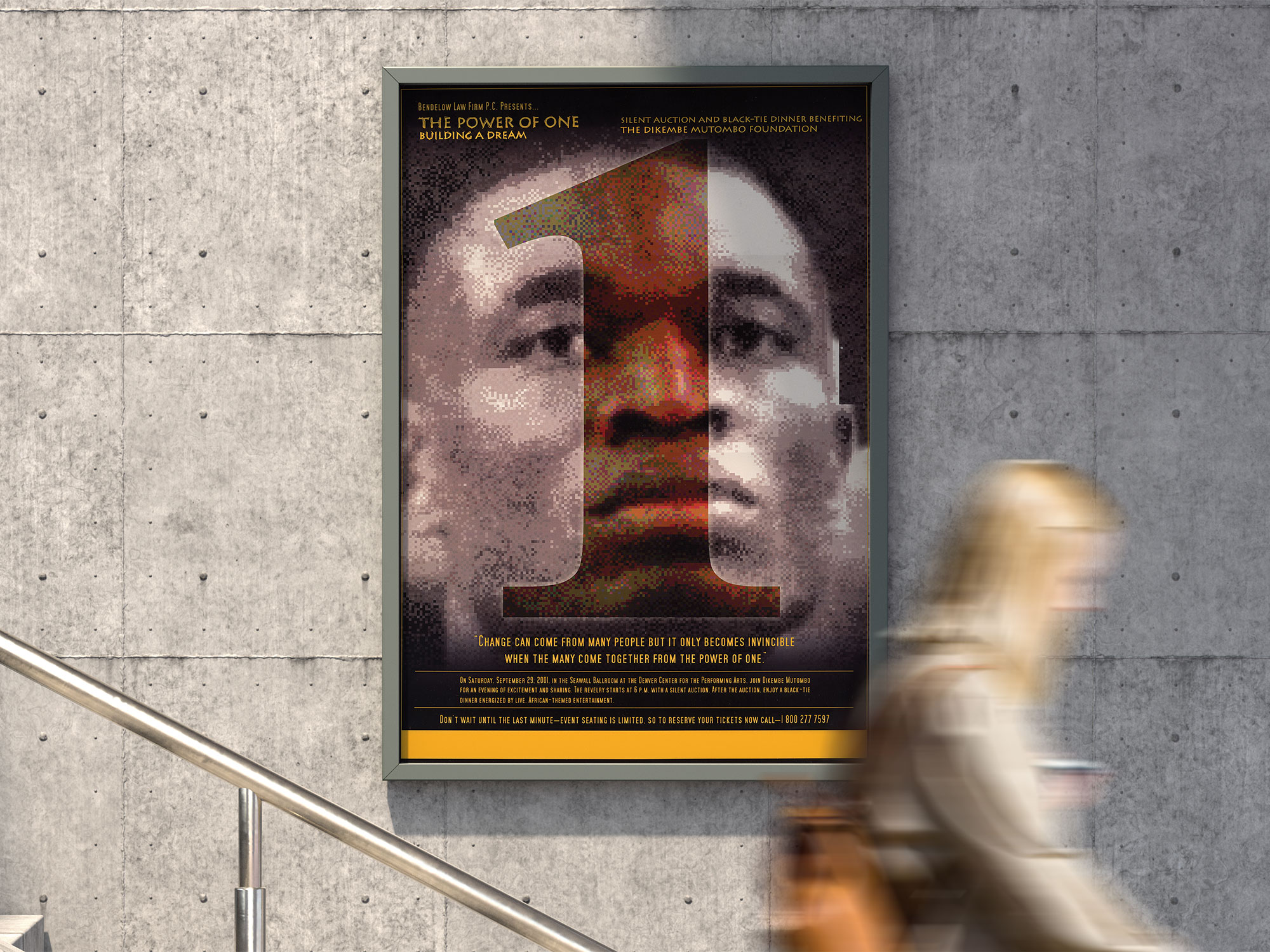
Twenty-five years ago, I was called into my boss’s corner office at the law firm where I worked for a conference call with Dikembe Mutombo’s attorney. Mike Flaherty and I had spent much of that year working on an event benefiting the Dikembe Mutombo Foundation, and before Dikembe flew back to Denver to participate, his attorney understandably wanted to discuss some of the legalities surrounding the event.
It was a conversation that probably should have happened months earlier. It didn’t go particularly well. The call ended with my boss throwing the telephone onto its receiver so hard that it bounced off and landed on the floor. I’m sure there were a few expletives involved. The event was canceled.
I was 21 years old, and I was devastated. At that point in my young career, I couldn’t imagine a bigger professional failure. But looking back many years later, I can see that moment for what it ultimately became: the moment Nichez came into focus.
At the time, I had been given an unusual amount of freedom to help rethink how the law firm presented and marketed itself. That included brand strategy and identity work, which led me to a small Denver design studio where Mike worked as a graphic designer.
Once we had done the foundational brand work, I began thinking about how to build the firm’s presence in the community. I wasn’t simply looking for a sponsorship opportunity. I wanted to find something that made sense for the firm, elevated their brand and created a meaningful connection to the community.
The principal of the firm had spent time in Liberia with the Peace Corps as a young man, an experience he described as one of the most influential of his life. His stories stayed with me as I began looking for the right community opportunity for the firm. Eventually, I found Dikembe Mutombo.
Dikembe had become one of Denver’s most beloved athletes during his years with the Nuggets. The 7'2" center was already one of the NBA’s dominant defensive players and most recognizable personalities, on his way to a career that would eventually earn him a place in the National Basketball Association Hall of Fame. His departure from Denver had been abrupt and difficult for many fans to understand. Denver had lost its connection to him, but not its affection.
More importantly, Dikembe was raising money through his foundation to build a desperately needed hospital in Kinshasa, the capital of the Democratic Republic of the Congo. It would become one of the first modern medical facilities built there in decades. The hospital would be named in memory of his mother, Biamba Marie Mutombo, who had died after suffering a stroke and being unable to get to a hospital during a period of civil unrest.
I began drawing some lines: The firm needed to establish a stronger identity in the community. Its principal had a deeply personal connection to Africa. Denver still loved Dikembe. And Dikembe had a cause with real purpose behind it. What if we brought those things together?
The idea was to reconnect Dikembe with his Denver fan base, raise money and awareness for his foundation, and give the law firm an opportunity to support something with an authentic connection to its principal.
The idea gained traction. The firm gave me permission to dedicate my time to developing the event. Mike’s design studio wasn’t willing to donate his time, but they were fine with him working on it independently. So Mike moonlighted, and we went to work.
But the most important thing that came out of the experience had very little to do with who we met. Mike and I discovered how well we worked together.
We had both been given an unusual amount of autonomy to do what came naturally to us. I was thinking about strategy, messaging, partnerships and how all of the pieces could work together. Mike was translating those ideas into visual identity and creative expression. His thinking influenced mine, mine influenced his, and the work kept getting better.
We realized we were producing work together that neither of us could have produced independently. That realization became the spark for Nichez.
We started talking about what it might look like if we did this for other organizations. Could we create an agency that brought strategy and design together? Could we help companies figure out who they were, how to communicate it and how to bring their brands to life in meaningful ways?
Then came the devastating phone call with my boss and Dikembe’s lawyer.
When the event collapsed, I was crushed. We had spent months creating something we believed in, and suddenly it wasn’t going to happen. But the failure didn’t undo what Mike and I had discovered while building it. For me, it clarified it.
I wanted to keep doing exactly this kind of work: helping organizations build brands, developing the strategy behind them and finding creative ways to activate those brands in the community. I just didn’t want to do it for one organization. And after that phone call, I was pretty certain I didn’t want to keep doing it for the law firm. There’s some irony in the fact that the law firm later became Nichez’s first client.
Mike and I began working seriously on the idea of starting an agency. We developed the Nichez name, collaborated on the identity and started figuring out what this little company might become. In September 2001, Nichez officially began.
Twenty-five years later, what strikes me most is how much of what Mike and I discovered through The Power of One is still recognizable in Nichez today. We still believe strategy and design are stronger together. We still like taking an idea beyond the expected places and figuring out how a brand can show up in the real world. And we still believe that bringing different talents and perspectives together produces better work than any one of us could create alone.