
.svg)
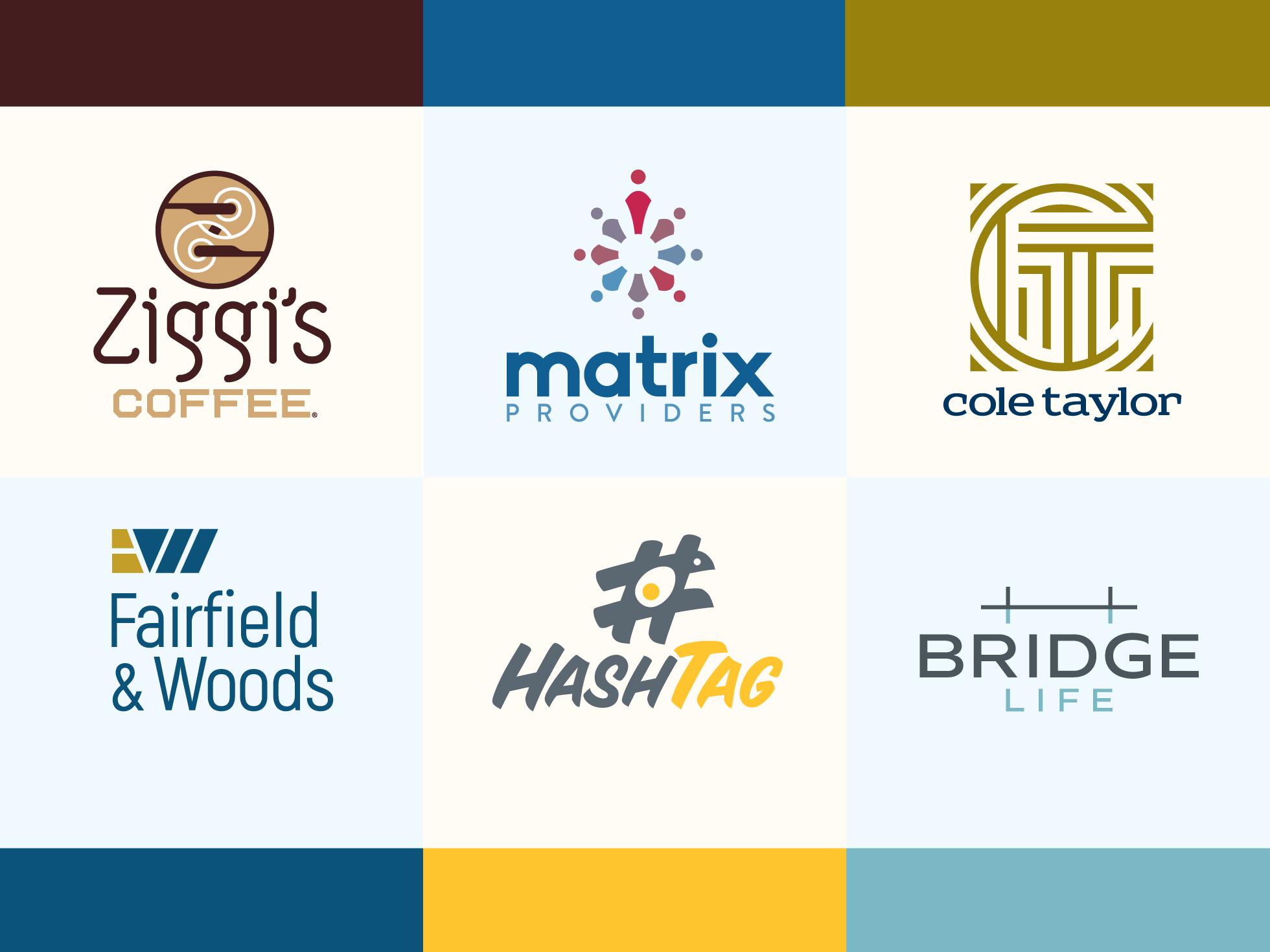
Design moves fast. Every year brings a new wave of color palettes, typography styles, interface patterns, and visual aesthetics that promise to make brands feel “current.” But while trends can generate excitement, the most enduring brands rely on something deeper: timeless design.
Understanding the balance between trendy and timeless design is critical when building or evolving a brand identity.
Much of what we consider timeless design today can be traced back to the influential philosophy of the Bauhaus School. Founded in 1919, this German art and design school aimed to unify art, architecture, and industrial design into a single discipline focused on clarity and purpose.
The Bauhaus movement emphasized two core principles that still shape modern design thinking.
1. Form follows function
Design should be driven by purpose. Instead of creating something that merely looks interesting, the function of the object determines its form. When design starts with solving a problem, the result tends to be more enduring.
2. Eliminate unnecessary ornamentation
By stripping away decoration that doesn’t serve a purpose, only the essential elements remain. This clarity creates designs that feel clean, understandable, and durable over time.These principles are a major reason why so many Bauhaus-inspired designs still feel relevant more than a century later.
Timeless design holds its value regardless of changing tastes. It’s built on clarity, purpose, and restraint rather than visual novelty.
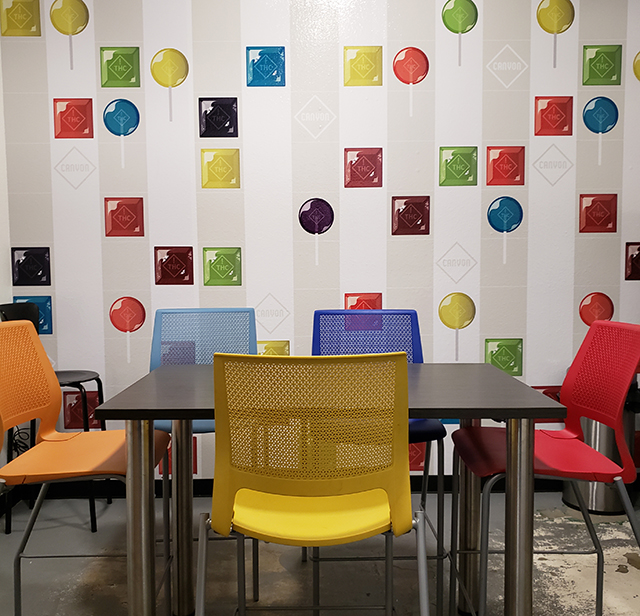
Ornamentation, on the other hand, is often where trends live. Decorative elements—distinct patterns, color explosions, unusual shapes—can define a moment in time. But because trends are culturally driven, they inevitably shift. When a brand relies too heavily on stylistic decoration, it risks becoming dated as tastes evolve.
Design trends tend to follow a predictable pattern:
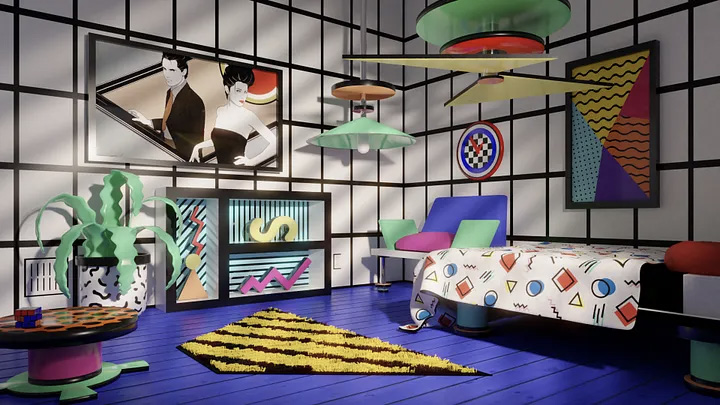
A great example is Memphis Design. Known for its bright colors, geometric shapes, and playful patterns, Memphis design exploded in popularity in the late 1980s and early 1990s. Critics often argued it prioritized visual flair over function. As the look spread, it eventually reached saturation and fell out of favor.
But trends rarely disappear forever.
By the late 2010s and early 2020s, the vibrant energy of Memphis-style visuals began reappearing in digital design. Tech platforms and digital brands started reintroducing bold color palettes, abstract shapes, and playful compositions. Elements of this aesthetic appeared in interfaces from companies like Apple and Spotify, proving that visual styles often return after a period of dormancy. Design trends are cyclical. What feels outdated today may feel nostalgic—or fresh again—tomorrow.
When designing or refreshing a brand identity, the real question isn’t whether to choose trendy or timeless design. It’s where your brand should sit along that spectrum. Purely trendy brands can capture attention quickly but risk aging just as fast. Purely timeless brands may last longer but risk feeling conservative or distant from contemporary culture. The right balance depends on a strong brand strategy and a deep understanding of your industry’s visual landscape.
Brands that endure tend to anchor themselves in timeless principles—clarity, function, and simplicity—while selectively incorporating trends that reinforce their personality.
Great design doesn’t chase trends, but it doesn’t ignore them either. It understands them.
Timeless design provides the foundation. Trends provide the cultural context.
When the two are balanced thoughtfully, brands don’t just look current—they remain relevant for years to come.